The Ultimate Guide to Boarding Schools in England for International Students in 2026
- Anna Fitzpatrick

- 1 day ago
- 5 min read
Choosing the right boarding school abroad can shape a young person’s future in profound ways. England has long been a top destination for international students seeking a high-quality education combined with rich cultural experiences. This guide offers a detailed look at boarding schools in England for international students in 2026, helping families navigate options, costs, support systems, and application processes with confidence.
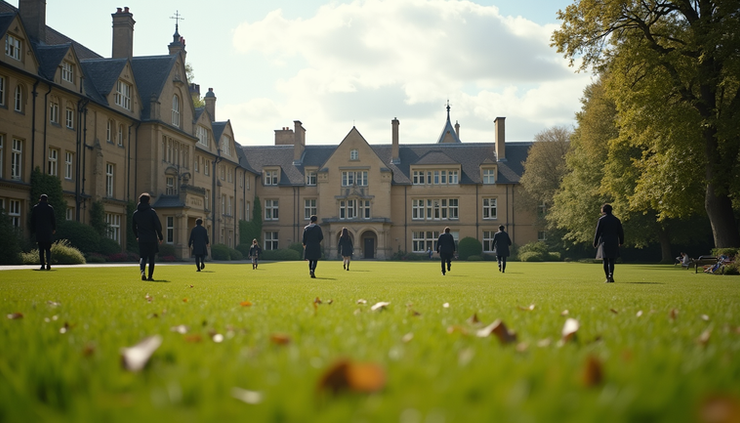
Why International Students Choose Boarding Schools in England
England’s boarding schools attract students worldwide for several reasons. First, many of these schools have centuries-old traditions of academic excellence, producing leaders in various fields. The curriculum often combines rigorous academics with extracurricular opportunities, fostering well-rounded development.
English boarding schools offer a safe, structured environment where students live and learn alongside peers from diverse backgrounds. This multicultural setting helps international students build global friendships and develop intercultural skills that benefit them in university and beyond.
Additionally, England’s proximity to Europe and its rich history provide unique cultural experiences. Students can visit museums, theatres, and historic sites, enriching their education outside the classroom.
Parents also appreciate the strong pastoral care systems in place. Boarding schools in England often have dedicated staff to support students’ wellbeing, helping them adjust to life away from home.
What to Look for in Boarding Schools in England for International Students
Selecting the best boarding school in England for international students requires careful consideration of several factors:
Academic Reputation
Look for schools with strong exam results and university placement records. Schools offering International Baccalaureate (IB), A-levels, or other recognized qualifications provide pathways to top universities worldwide.
Pastoral Care and Support
Check how schools support international students emotionally and socially. Good schools have dedicated international student coordinators, language support, and counselling services.
Facilities and Extracurricular Activities
Boarding schools with modern classrooms, sports facilities, arts studios, and clubs offer a balanced education. Activities like music, drama, sports, and community service help students develop new skills and friendships.
Boarding Environment
Consider the size and style of boarding houses, the ratio of staff to students, and the overall atmosphere. Some students thrive in large, bustling schools, while others prefer smaller, close-knit communities.
Location and Accessibility
Proximity to airports and transport links matters for international families. Schools near London or other major cities may offer more cultural opportunities but could have a higher cost of living.
Language Support
Many schools provide English as an Additional Language (EAL) programs to help non-native speakers improve their language skills quickly.
How Boarding Schools in England Support International Students
Boarding schools in England understand the challenges international students face. They provide tailored support to help students settle in and succeed:
Orientation Programs
Schools often run induction weeks to introduce students to campus life, routines, and local culture.
Language Assistance
EAL classes help students improve English proficiency, enabling better academic performance and social integration.
Cultural Activities
Schools organise trips, clubs, and events celebrating different cultures, helping students feel included and valued.
Pastoral Care Teams
Dedicated staff monitor students’ wellbeing, offering counselling and guidance when needed.
Academic Mentoring
Tutors provide one-on-one support to help students manage coursework and prepare for exams.
Parental Communication
Schools maintain regular contact with families abroad through emails, video calls, and reports, keeping parents informed and involved.
Boarding Schools in England for International Students — Fees and Funding
Tuition fees for boarding schools in England vary widely depending on the school’s prestige, location, and facilities. For international students, fees typically range from £30,000 to £50,000 per year. This usually covers tuition, boarding, meals, and some extracurricular activities.
Additional costs may include uniforms, textbooks, exam fees, trips, and personal expenses. It is important to budget for these to avoid surprises.
Some schools offer flexible payment plans or discounts for siblings. Families should also consider currency exchange rates and banking arrangements when planning finances.
Scholarships and Bursaries at Boarding Schools in England for International Students
Many boarding schools in England provide scholarships and bursaries to attract talented international students and support those with financial need:
Academic Scholarships
Awarded based on exam results, entrance tests, or interviews. These can cover partial or full tuition fees.
For students with exceptional talents in music, drama, or visual arts.
Given to students who excel in particular sports and can contribute to school teams.
Means-tested financial aid to help families who cannot afford full fees. Bursaries may cover part or all of the costs depending on need.
Applying for scholarships usually requires early application and submission of supporting documents such as references, portfolios, or audition videos.
How to Apply to Boarding Schools in England as an International Student
The application process for international students involves several steps:
Research Schools
Identify schools that match your child’s academic level, interests, and budget.
Contact Admissions
Reach out to schools for prospectuses, open day invitations, and application forms.
Submit Application
Complete forms with personal details, academic records, and references.
Many schools require candidates to take exams either in person or online. Interviews may be conducted via video call.
Offer and Acceptance
Successful applicants receive offers, which may be conditional on exam results or other criteria.
Deposit and Contract
Confirm acceptance by paying a deposit and signing the contract.
Prepare for Arrival
Arrange travel, visas, and guardianship if needed.
Starting the process at least a year before the intended start date is advisable to meet deadlines and prepare thoroughly.
Visas and Guardianship for International Students at Boarding Schools in England
International students need a valid visa to study in England. Most boarding schools assist families with the visa application process, providing necessary documents such as Confirmation of Acceptance for Studies (CAS).
Students under 18 require a guardian in the UK. Guardians are responsible adults who support the student’s welfare, attend school meetings, and act as a local contact in emergencies. Schools often recommend trusted guardianship agencies or offer in-house arrangements.
Parents should ensure guardianship arrangements comply with UK regulations and provide peace of mind while their child studies abroad.
FAQ — Boarding Schools in England for International Students
What age can international students start boarding school in England?
Most schools accept students from age 11, with some offering places from age 7 or 13.
Are there language requirements?
Schools usually require a basic level of English. EAL support helps students improve quickly.
Can students switch to day school later?
Yes, many schools allow students to switch from boarding to day if local arrangements change.
How do schools handle homesickness?
Pastoral care teams provide support, and schools encourage communication with family and friends.
Are there options for short-term boarding?
Some schools offer termly or half-term boarding for flexibility.
Choosing a UK boarding school is a big step, but with the right information, families can find a school that fits their child’s needs and ambitions. Our free matching platform helps families connect with schools that match their preferences and budget. Start your journey today to find the best UK boarding school for your family in 2026.


Comments